The Summer Seminar is an immersive opportunity for rising high school juniors and seniors to get a taste of the college experience—and shape it for themselves.
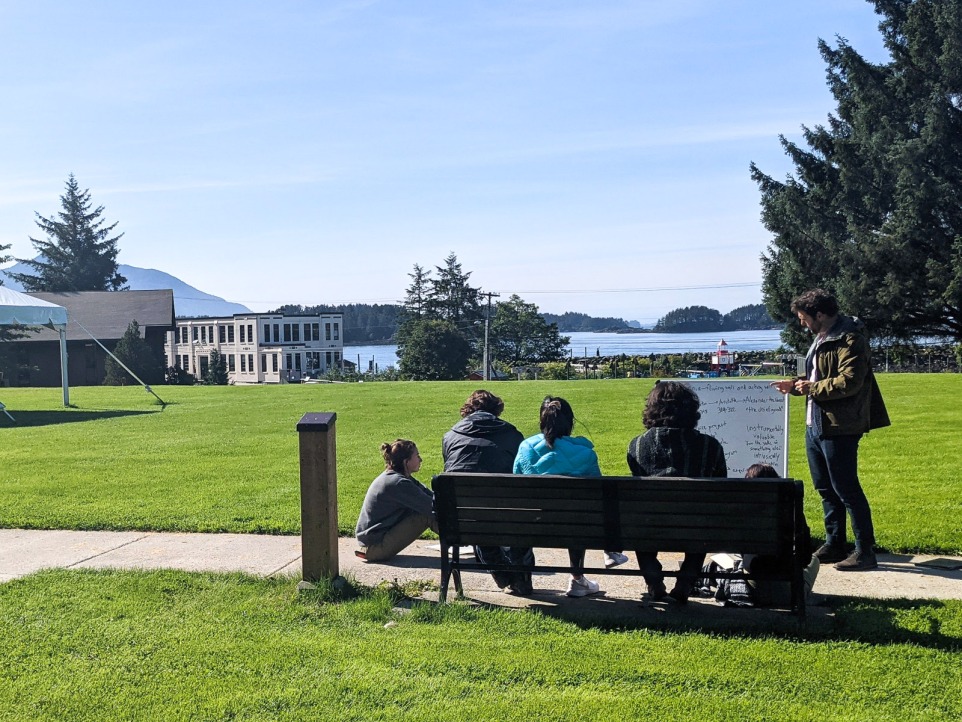
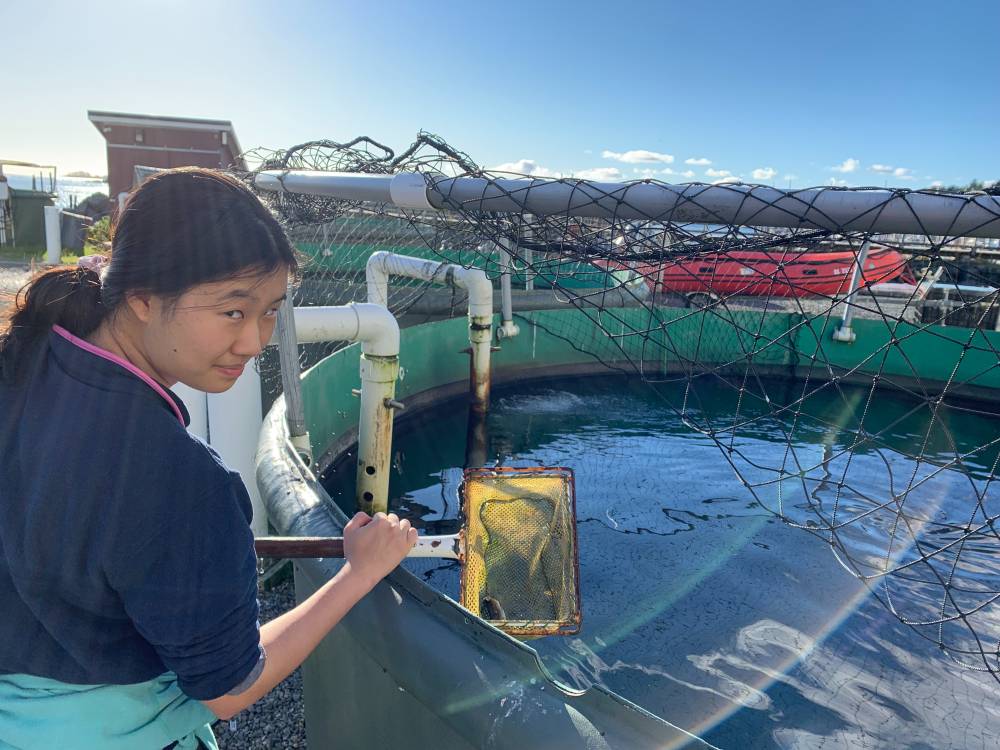
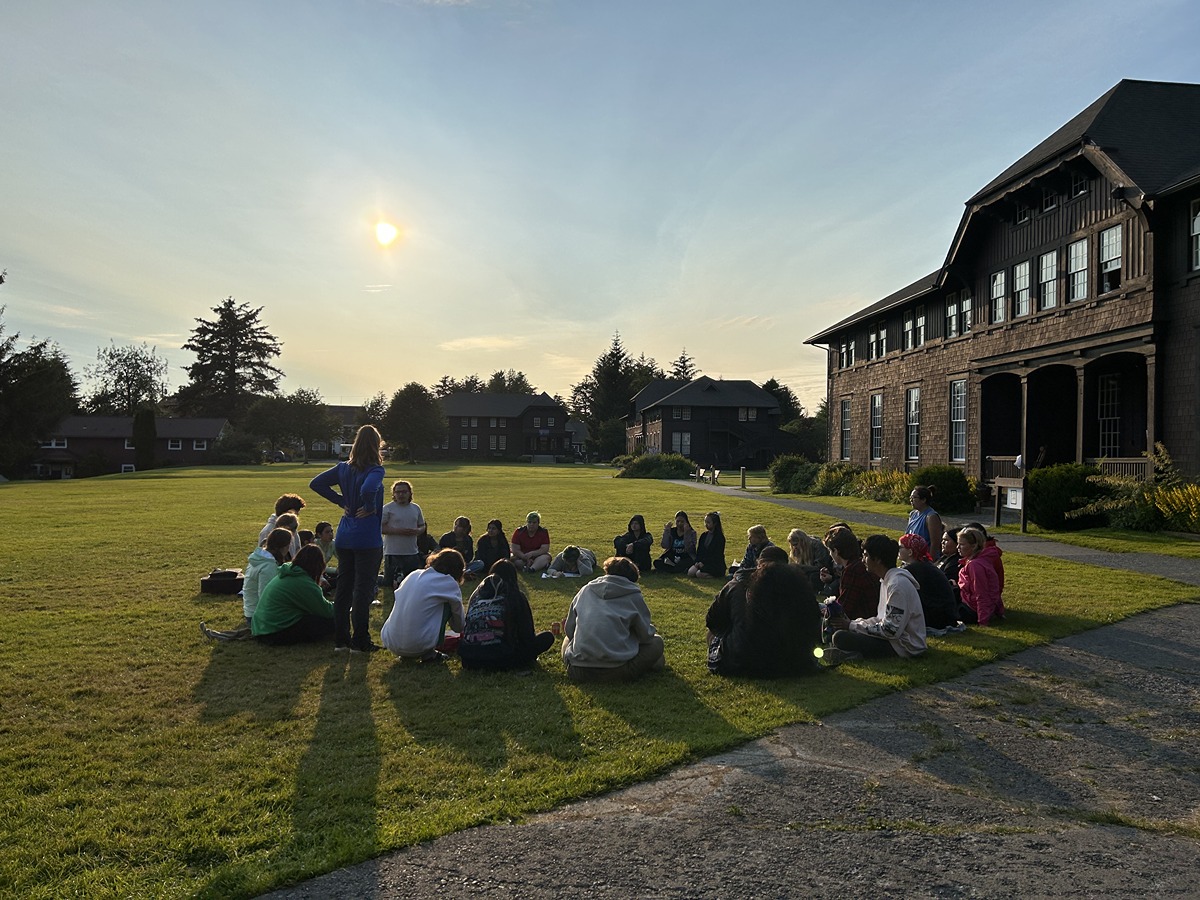
Over the course of an intensive Summer Seminar, a cohort of students undertake fast-paced, intellectually rigorous academic coursework; engage in work-based service and meaningful labor in Sitka; and practice self-governance of key elements of Outer Coast. Through a small seminar, close-knit residential living, and involvement in the wider Sitka community, Outer Coast students learn how to identify, analyze, and address the challenges — both big and small — that face the world today. Rising high school juniors and seniors participate alongside high school graduates and build mutually beneficial near-peer mentorship bonds.
In the fast-paced Summer Seminar environment, students engage in college-level academics, practice the mechanics of making change, and build meaningful relationships as part of an intentional learning community.
The Summer Seminar 2026 will run July 12 – August 1, 2026. The application opens January 1, 2026, and the deadline to apply is March 1, 2026. For more program details, see the Program Overview.
Summer Seminar 2025 Course
Summer Seminar 2026 Course Offering TBA.
Writing (into) Place
Where are we? Who are we? How does the way that we think about where we are shape the way we think about who we are, and vice versa? As the psychologist J. J. Gibson wrote, “We do not live in ‘space.’” Indeed, we live in places. Even in the age of Google Maps, drone photography, space tourism, and the “metaverse,” we cannot get around the fact of our place-fulness. What, then, does it mean to be in place? What does it mean to be out of place? And (why) does it matter?
In this two-week seminar, our aim is twofold: first, to develop a richer understanding of the places we inhabit, and second, to write our way into those places. We’ll read authors that will help us to do both: philosophers, anthropologists, and historians alongside poets, essayists, and storytellers of all kinds. We’ll think about how places and people shape each other through history, myth, subsistence, and stewardship, with a particular focus on the lands and waters of Lingít Aaní, the ancestral home of the Tlingit people. We’ll read great writers on place for meaning and for craft, and talk about how great writing works. Through daily writing practices, we’ll experiment with different sources and forms, and discover our own creative rituals. By honing our craft as writers, we hope to find ways to get back into place wherever we are.
Summer Seminar 2025 Faculty
Summer Seminar 2026 Faculty TBA.
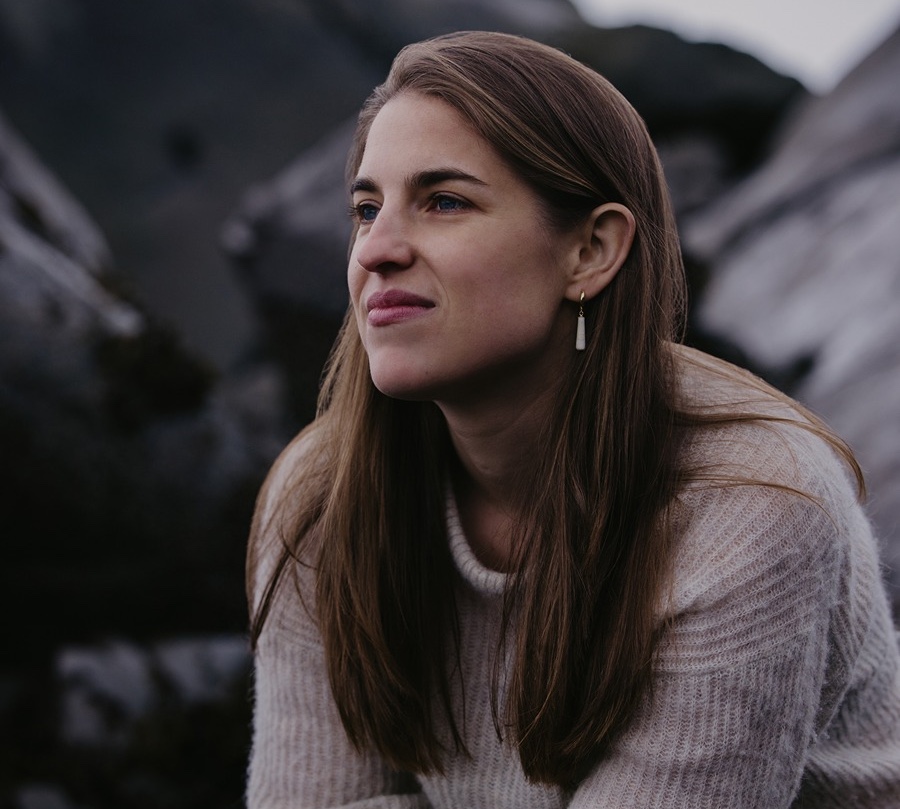
Cathryn Klusmeier is a writer and fisherman living and working in Sitka, Alaska. She holds a master’s degree in medical anthropology from the University of Oxford, where her work focused on Alzheimer’s and other non-communicable diseases. She also holds an MFA in creative writing from the University of Iowa, where she was an Iowa Arts Fellow. Cathryn is the recipient of a 2021 Pushcart Prize, the winner of the 2018 MIT Media Lab’s Resisting Reduction Essay Competition, the winner of the 2018 Crazyhorse Creative Nonfiction Prize, and author in the book Against Reduction: Designing a Human Future with Machines. Cathryn has twice been a notable essay in The Best American Essays series and has received fellowships and recognition from the University of Oxford, the Banff Mountain Film Festival, the Sitka Fellows Artist Residency, Agni Literary Journal, the Missouri Review’s Jeffrey E. Smith Editor’s Prize, Narrative Magazine’s “30 Below 30” contest, Hunger Mountain’s Creative Nonfiction Prize, and the Southampton Review’s Frank McCourt Memoir Prize. In her spare time, Cathryn loves to hike and run. Read more about Cathryn and her work here.
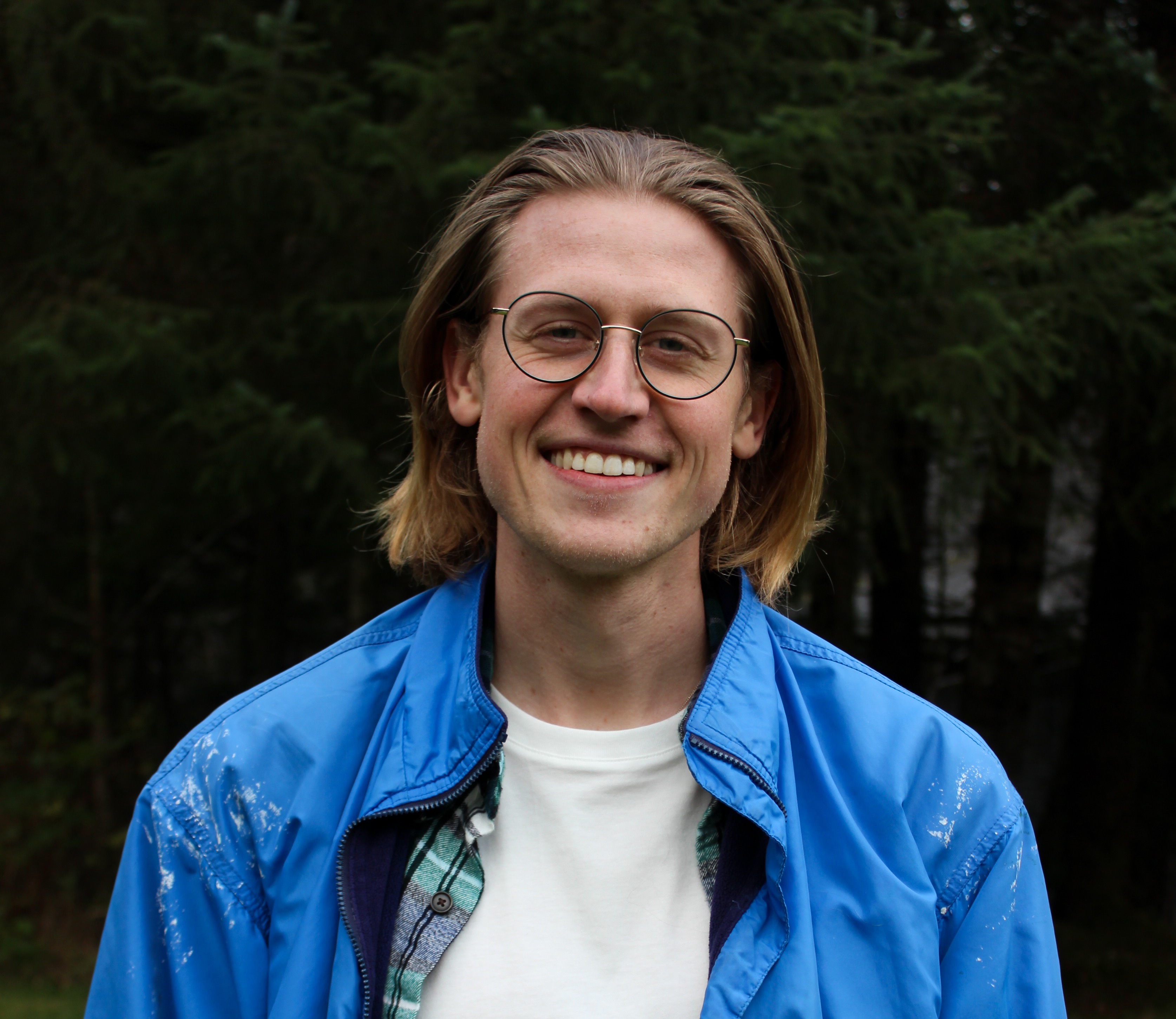
Frank Eccher is a third-year doctoral student in the Education, Culture, and Society program at the University of Pennsylvania, where he studies the history of education as a Berkowitz Fellow. His work investigates the relationship between education, place, and social movements, particularly in rural and Indigenous communities in the United States. He has written on Appalachian folk schools, microcolleges, and other communal experiments in higher education, and is now working on a dissertation project on the history of the Sheldon Jackson campus which Outer Coast calls home. His writing has been published in the Chronicle of Higher Education, the Hinternet, and the Examined Review. He also teaches in Penn’s Paideia Program and at the Matthew Strother Center for the Examined Life. Franklin worked previously as the College Launch Lead for Outer Coast.